
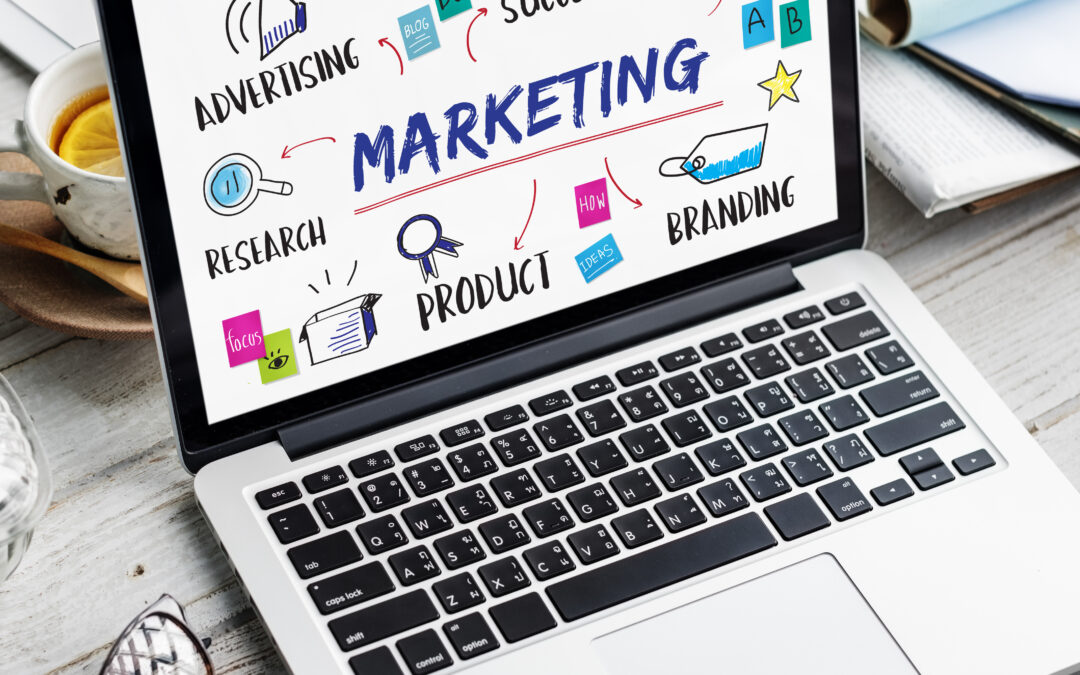
Ready to Transform your Digital Presence Start your Marketing Journey with Fast Digi Grow
In our modern high–speed digital world, just being online is not enough. Whether you’re a young startup or an old established brand, your online presence is your greatest asset — and it‘s time to get it working for you. At Fast Digi Grow we blend strategy, creativity, and the best marketing technology to transform your online presence into a high-energy, performance-driven asset. Let‘s launch your marketing journey — together.
All successful startups start with an ambitious idea — but making that idea into a successful business requires more than enthusiasm. In the modern world of digital-first, your digital presence is typically the first and longest-lasting impression you make. At Fast Digi Grow Digital Marketing Agency, we enable startups to transition from idea to conversion by developing influential digital strategies that fuel visibility, engagement, and growth. Whether you are launching your MVP or scaling up for Series A, we‘re here to amplify your journey with data-driven marketing and breakaway branding.
Key Elements of a Strong Digital Presence
-
Branding: Consistent visuals, tone, and messaging.
-
Website: Mobile-friendly, fast, SEO-optimized, with clear CTAs.
-
Social Media: Platform choice, engagement tactics, content themes.
-
Content Marketing: Blogs, videos, case studies that educate and convert.
-
SEO & SEM: Getting found by the right people at the right time.
-
Branding: Building the Foundation for Online Success
Branding is not just a logo or color scheme — it‘s the personality and spirit of your startup. In a busy online marketplace, your brand serves to differentiate you, engage your audience on an emotional level, and establish long-term credibility. For startups, great branding can be the factor that distinguishes you from being remembered versus being forgotten.
Core Elements of Compelling Startup Branding:
Brand Voice & Messaging:
Define the way you communicate to your audience. Are you disruptive and bold, or professional and reliable? Your tone should echo your mission and appeal to your target audience.Visual Identity:
A consistent logo, typography, and color scheme make you recognizable across platforms. Consistency earns credibility.Value Proposition:
Speak plainly what you do, why it‘s important, and how you differ from other people — all within seconds of a user arriving on your site or social page.Brand Story:
Humans relate to stories, not products. Tell your “why“ — the passion, problem, or purpose that drives your startup. - Website: Your Startup‘s Digital Headquarters
Your website is frequently the first — and most critical — encounter between your startup and potential customers, investors, or partners. It‘s where curiosity is converted to conversion. In an era of short attention spans, a startup website needs to do more than simply look attractive — it needs to deliver.What Makes a Great Startup Website?
Clear Value Proposition (Above the Fold):Guests should know what you do and why it is important within 5 seconds. Simple, compelling, and benefit-focussed.Responsive Design:
Yourvisitors are viewing on mobile phones, tablets, and desktop computers. Your site should look fantastic and work perfectly on every screen.Fast Load Times:
Afew seconds delay can lose you visitors. Optimize images, scripts, and hosting to make your site load fast.SEO-Optimized Content:
Without search engine visibility, yoursite is a ghost town online. Optimize with relevant keywords, meta descriptions, and an organized site architecture to be discovered.Effective CTAs (Calls-to-Action):
Push visitors into action — whether signing up for a waitlist, scheduling a demo, or grabbing a free resource. Utilize bold buttons and messaging that grab attention and encourage action.Credibility Boosters
Include testimonials, media mentions, client logos, or trust badges to create confidence and authority, especially if you’re new to the industry.Analytics Integration:Utilize software such as Google Analytics or Hotjar to monitor user behavior. This enables you to optimize and iterate based on actual data — not assumptions.
Don’t wait to make your product perfect before launching your site. A good landing page with a definite message and lead capture form is better than nothing. - Social Media: Creating Awareness, Community, and Trust
Social media isn‘t a nice-to-have for startups — it‘s a direct channel to your audience. It‘s where you share your story, demonstrate your brand personality, form relationships, and create early momentum. The tactic isn‘t about being on every platform — it‘s about being strategic with the right ones.Why Social Mediais Important for Startups:
Affordable Visibility:
Organic posts and targeted ads allow you to reach thousands without breaking the bank.Early Community Building:Your loyal audience can be your initial customers, beta testers, and brand ambassadors.Real-Time Feedback Loop:
Platforms like Instagram, X (Twitter), and LinkedInenable you to interact directly with your audience, receive feedback, and change quickly.Brand Personality in Action:
Your posts,responses, and stories all contribute to how people perceive your startup.
Selecting the Right Platforms:
Instagram: Ideal for visual products, lifestyle companies, and community building.LinkedIn:Suitable for B2B startups, thought leadership, and professional reputability.X (Twitter): Best
suited for real-time updates, product launches, and interacting with niche communities.TikTok:
Rapidly growing platform for startups reaching out to younger demographics and viral interaction.YouTube:
Suitable for learning content, product demonstrations, or establishing authority in video form.
- Content Marketing: Content marketing is among the most effective — and budget–friendly — strategies for attracting, educating, and converting your target market for startups. It‘s not selling, but giving genuine value that instills trust and makes your brand top-of-mind.Why Content Marketingis Important for Startups:
Educates Your Audience:
Educates your audience about their issues — and how your service or product addresses them.Builds Authority:
Publishinggreat content puts your startup on the map as a thought leader in your industry.Drives Organic Traffic:Search engine-optimized content generates long-term traffic with no recurring ad spend.Supports the Buyer Journey:Various forms of content (blogs, videos, guides) assist in advancing leads from awareness to decision.Content Types That Work for Startups:
Blog Posts:Publish industry insights, how-tos, founder tales, or case studies.Videos:
Product demos, tutorials, behind-the-scenesfootage, or quick founder Q&As to humanize your brand.Infographics:
Excellent for breaking down complicated data or processes.E-books & Whitepapers:
Great for B2B startups who want to capture leads through gated content.User-Generated Content (UGC):
Share your early adopters’ or beta testers‘ experiences.Getting Started with Content Marketing:
Define Your Audience:Know their pain points, interests, and what kind of content they‘re interested in.
Select 3–4 Content Pillars:
Use core themes as the foundation for your content (e.g., startup growth, industry trends, product use cases).Build a Content Calendar:
Plan topics, formats, and publication dates to remain consistent.Optimize for SEO:Employ keywords, internal linking, and metadata to enhance search visibility.Distribute Smartly:
Promote your content on social media, within email newsletters, and through strategic alliances.Track Results:
Utilize tools such as Google Analytics, HubSpot, or SEMrush to view what‘s contributing to engagement and conversions. Track Results: Utilize tools such as Google Analytics, HubSpot, or SEMrush to view what’s contributing to engagement and conversions.
- .SEO & SEM: Getting Found by the Right People, at the Right Time
Possessing a superior product is of little use if no one can find you. This is where SEO (Search Engine Optimization) and SEM (Search Engine Marketing) enter the picture. For startups, both strategies are crucial for establishing visibility, qualified traffic, and traction in a crowded online marketplace. What‘s the Difference?
SEO is the natural side — making your site and content more appealing so you show up higher in free search results.SEM involves paid methods — such as Google Ads — that get your site to the top of search results in an instant (at a cost).Combined, they provide both immediate results (SEM) and long-term expansion (SEO).Why SEO Matters for Startups:
Long-Term Traffic: Natural clicks don‘t cost you per visit.Establishes Authority: Doing well in rankings enhances credibility and trust.Cost-Effective in the Long Run: Long-term investment reaps rewards as content keeps generating traffic.
Startup SEO Checklist:
Keyword research: Leverage Google Keyword Planner, Ubersuggest, or Ahrefs.
On-page optimization: Incorporate keywords in titles, headings, URLs, and image alt-text.
Quick, mobile-responsive site: Google rewards performance.
Internal linking: Assists Google to crawl your website more efficiently.
Content consistency:
Publish useful, search-optimized content consistently.Why SEM Matters for Startups:
Immediate Visibility: Get in front of users while your SEO is still ramping up.Targeted Reach: Show ads to people searching for specific solutions.Highly Measurable: Every click, cost, and conversion can be tracked.
Startup SEM Tips:
Start small: Run tightly targeted campaigns to test what works.
Use landing pages: Tailor each ad to a dedicated page for better conversions.
Track conversions: Set up Google Ads + Google Analytics to see what’s working.
A/B test ads: Test headlines, CTAs, and visuals to find top performers.
Pro Tip:
Use SEM for early traction and SEO for long-term growth. When combined smartly, they give you the best of both worlds: speed and sustainability.
CONCLUSION:
Conclusion: Begin Strong, Grow Smarter
Your startup’s success in today‘s digital-first era is about more than having a good product — it‘s about how well you’re observed, heard, and believed online. A strong digital presence doesn‘t happen overnight, but with the proper strategy, tools, and resources, it’s well within reach.
From branding and web design to content marketing, SEO, SEM, and social media — each piece of your digital strategy plays a vital role in getting you from idea to impact. The journey can be complex, but you don’t have to navigate it alone.
At Fast Digi Grow Digital Marketing Agency, we specialize in helping startups like yours launch with confidence, grow with clarity, and scale with purpose.
Marketing Ideas Share Research Planning Concept
Ready to transform your startup’s digital presence?
Let’s talk — your journey starts here.
Recent Comments